
The Correspondent and Warsaw
Another Day of LifeThis relationship follows how the nightly dispatch becomes Rysiek's practical and emotional lifeline to home.
increasing Bearing strength in each event
 decreasing
Bearing strength in each eventdecreasingThe Nightly Signal
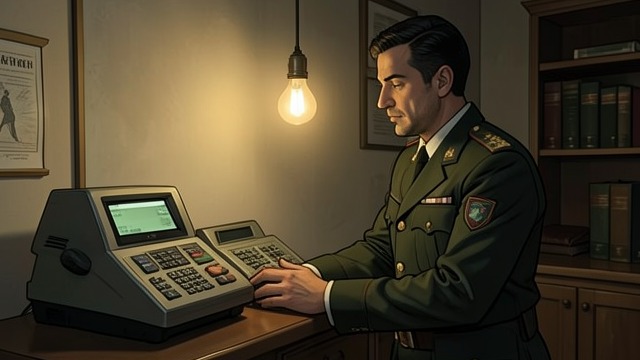
The Nightly Signal
A fixed hour
At nine each evening, the telex connects Luanda with Warsaw. Rysiek waits for the machine's lights and stretches the exchange by sending detailed reports and small personal complaints.
Contact against loneliness
The messages rescue him from a feeling of abandonment. Reporting becomes an act of connection: his words travel out of the besieged city even when the correspondent himself cannot leave it.
A Request for Rescue
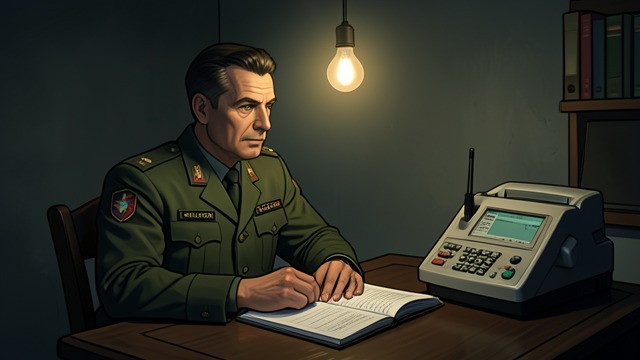
A Request for Rescue
War enters the message
During the threat to Luanda, Rysiek tells his colleagues that communication may fail and asks them to follow a backup schedule. Warsaw suggests arranging a plane, but he believes it is already too late to leave.
Familiar speech under pressure
The exchange mixes urgent battlefield news with the plain intimacy of coworkers who have spoken night after night. Their routine cannot remove danger, but it helps Rysiek keep fear communicable and work possible.
Permission to Return
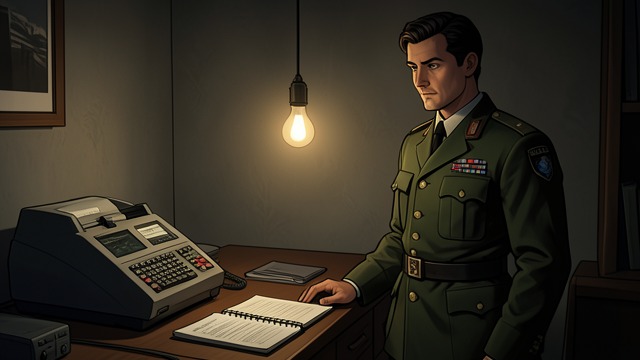
Permission to Return
An honest request
After reporting from the southern front, Rysiek says he is barely alive and asks to go home. Warsaw gives permission without treating his departure as professional failure.
The line stays open
The agreement marks a change in their relationship from nightly reassurance to practical care. Rysiek can leave the war zone, but the continuing reports and memories show that the connection does not end with the assignment.
September 1975
Late October 1975
November 1975
